
Moving to Thailand
 ByStephen
SafetyWing
- Global coverage in 180+ countries
- Starts under $63 per month
- Buy before or while already abroad
What is Thailand?
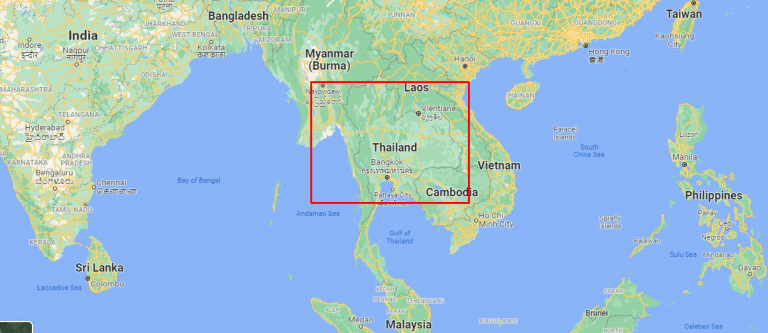
Thailand is a beautiful, cheap, sunny country in Southeast Asia.
Thailand is often hailed as one of the best destinations for Western (male) expats to move to.
It boasts a great climate, cheap cost of living, friendly locals, beautiful nature, and many other advantages.
Thailand is a constitutional monarchy, and the King holds special protection. Defaming him is illegal, for example.
While you can say that in general Thailand is a stable country, coups and military dictatorships do occur and could hamper your happiness and freedom here.
For that reason, it’s folly to rely on Thailand alone as your abode. Consider setting up Bases in the Philippines, Dubai or Paraguay as well.
Thailand is a founding member of ASEAN, a newly industrialized country and the second largest economy in Southeast Asia.
Thailand demographics
The population hovers around 70 million, with a great many people flocking from the poor rural areas to the capital of Bangkok.
Thailand is known for sex-tourism, and there are many expats moving here just for that reason.
It’s easy and cheap to get laid with young women in Thailand, and prostitution is common.
However, if you’re not into that, do not let it deter you, as this country can offer so much more.
Thailand also has a well-developed tourism and expat infrastructure, which makes the transition significantly smoother compared to many other developing countries.
Cities like Bangkok, Chiang Mai, and Phuket have large international communities, modern amenities, and a wide range of housing options.
This means you can find everything from budget apartments to high-end condos, along with international schools, private hospitals, and Western-style supermarkets.
Thailand culture
Another key advantage is Thailand’s strong service culture. Everyday services, from food delivery and transportation to cleaning and maintenance, are widely available and relatively affordable.
This allows many foreigners to outsource routine tasks and enjoy a higher standard of living for less money than they would spend in Western countries.
Combined with a vibrant food scene, access to both local and international cuisine, and a culture that values convenience, daily life can feel both comfortable and efficient.
Finally, Thailand’s location in Southeast Asia makes it an excellent base for regional travel.
With major international airports and frequent low-cost flights, it’s easy to visit neighboring countries such as Vietnam, Malaysia, and Indonesia.
Whether for short trips, visa runs, or business opportunities, this connectivity adds an extra layer of flexibility and appeal for those looking to base themselves in the region.
Moving to Thailand requirements
The requirements for moving to Thailand are pretty relaxed.
The number one thing you need to have is a location independent source of income.
Ideally your own businesses, but there are plenty of expats in Thailand who just rely on their pension.
In fact, the vast majority of foreigners in Thailand are elderly, retired (white) men.
If you want to have a secure future, I would advise you not to rely on such a pension – because this is an unreliable and untenable system, especially considering the impeding collapse of the West – but instead get your own location independent income up.
Other than that, the visa system is pretty relaxed, but it does tend to change often, so make sure to check the Thai government website for up to date information.
Visa Options & Temporary Residency
To stay in Thailand long-term, you must enter on or convert to a visa that permits extended stays, unfortunately.
For remote workers, digital nomads, and freelancers, options like the Destination Thailand Visa (DTV) offer up to five years of multi-entry flexibility with stays of up to 180 days at a time, provided you meet liquid asset criteria (typically around 500,000 THB).
For retirees aged 50 and over, Non-Immigrant O/O-A retirement visas provide year-to-year extensions based on proof of local bank deposits or monthly income.
High-net-worth individuals, high earners, or executives can also opt for long-term programs like the 10-year Long-Term Resident (LTR) visa or paid entry programs like the Thailand Privilege (formerly Elite) Visa, which grants stay extensions ranging from 5 to 20 years in exchange for a membership fee.
Most standard non-immigrant visas serve as a form of temporary residency.
While they allow you to live comfortably in the country, they usually require periodic administrative upkeep, such as 90-day address reporting to Thai Immigration, annual visa renewals, or re-entry permits if you plan to travel abroad.
Permanent Residency & Citizenship
Achieving Permanent Residency (PR) in Thailand is a far more selective process.
To be eligible to apply, you generally must have held a consecutive Non-Immigrant visa for at least three years, paid local personal income taxes in Thailand, and fall into specific application categories, such as investment, business/employment, expert roles, or family ties to a Thai citizen.
These things disqualify it for me in many ways, but your mileage may vary.
The Thai government opens PR application windows annually with strict nationality quotas (typically capped at 100 people per country per year).
Securing PR frees you from annual visa extensions, eliminates 90-day reporting, and allows you to buy property like condominiums without foreign exchange restrictions … but you’d have to pay taxes here.
Naturalization as a Thai citizen is the final step, but it is uncommon among foreign expats, and for good reason.
Generally, you must hold Permanent Residency for at least five consecutive years before applying, demonstrate proficiency in speaking and understanding the Thai language, pass a background check, and show a stable income history with continuous tax contributions in Thailand.
If you’ve ever heard Thai, you’d know that this isn’t easy. And “Continuous tax contributions” can fuck right off.
While the path is long and highly bureaucratic, obtaining citizenship grants full rights, including the ability to vote, own landed property, and live in the country permanently without immigration oversight – but you can also get that in other, less demanding nations.
Advantages of moving to Thailand
-
Low cost of living
Thailand is a very cheap country, and if you have a Western income, you can live a very comfortable life here
-
Great climate
Thailand isn’t too hot, has plenty of sunshine and not a lot of rain
-
Easy sex
Thailand is a sex-positive country, and as a foreigner you don’t have to look too far to get laid
-
Different sexual flavors
Thailand is probably the best country to go to if you are into ladyboys/transvestites
-
Beautiful nature
Thailand is absolutely gorgeous. Fauna, flora, beaches, under-water life, islands, and so on
-
Friendly locals
Thais are generally very nice. But don't mess with them, you'll regret it
-
Strong economy
Thailand is already the second greatest economy in SE Asia, and while it cannot really climb much more on that ladder, it will almost certainly continue to do very well economically in the next few decades
-
Modern Healthcare Infrastructure
Thailand is a top destination for medical tourism, offering private hospitals with Western-trained, English-speaking staff and high standards of care at a fraction of Western prices.
-
Great food
Thai food is seriously delicious. Of course, this depends on the person, but most people tend to agree with this. Thai cuisine is renowned globally for its rich flavors and variety. Beyond local street food, major urban centers offer access to exceptional international dining.
-
Strategic Regional Base
Situated in the heart of Southeast Asia, Thailand serves as an excellent travel hub with major airports offering frequent, low-cost flights across Asia.
Disadvantages of living in Thailand
-
Visa process could be frustrating
Unless you are over 50, be prepared to do visa-hops over the border every so often. While options like the Destination Thailand Visa (DTV) have made long-term stays easier for remote workers under 50, navigating immigration rules, regular visa extensions, and 90-day address reporting can still be tedious and prone to sudden policy shifts.
-
Potentially politically unstable
Coups and military dictatorships do occur, and they might impact your freedom
-
Poor education
The average Thai isn’t highly educated, and the level of English is frequently subpar. In fact, this is one of the main reasons why it doesn't score higher
-
Extreme Heat and Air Pollution
Temperatures and humidity can be intense during peak dry months. Additionally, seasonal crop burning (especially in Northern regions like Chiang Mai between February and April) causes severe air pollution and smog (PM2.5)
-
The White Price
Foreigners frequently face higher entry fees at national parks and attraction sites compared to Thai nationals..
Is living in Thailand great?
Yes, living in Thailand can be pretty awesome.
Whether you are moving to Thailand from USA, want to retire to Thailand from UK, are one of the many Australians retiring in Thailand, or any other foreigner escaping the West, Thailand can provide a new home for you.
Thailand can boast a very laid-back lifestyle.
You can spend your time sitting on the beach, diving in (previously pristine but now increasingly environmentally challenged) waters, have regular sex with Asian women (or ladyboys), explore the country’s rich history, or whatever you want to do.
Another point worth considering is that Thailand offers a high degree of flexibility in how you choose to live your life.
You can base yourself in a busy metropolis like Bangkok, a quieter cultural hub like Chiang Mai, or a beach destination in the south. Each of these environments offers a very different lifestyle, allowing you to tailor your experience to your preferences rather than being locked into a single way of living.
That said, it is important to approach Thailand with realistic expectations and a long-term mindset.
Visa rules can and will change again and again, and usually not for the better, enforcement can tighten, and what works easily today may become more restrictive in the future.
If you treat Thailand as one part of a broader international strategy rather than your only base, you put yourself in a much stronger position while still enjoying everything the country has to offer.
Thailand also has a pretty low level of English. However, this depends heavily on where you are and who you talk to.
If you stick to mingling with other foreigners and educated Thais (or sex workers), you will probably not have a lot of issues.
You do have to pay taxes in Thailand, and you can’t avoid this easily anymore. Thailand significantly reformed its personal income tax laws regarding foreign-sourced income.
Under foreign income tax rules enforced by the Thai Revenue Department, tax residents (anyone residing in Thailand for 180 days or more in a calendar year) are legally required to pay personal income tax on all foreign-sourced income brought into Thailand in that calendar year, regardless of when it was earned.
Moving to Thailand is something that, a few years ago, I said should be on everyone’s radar upon contemplating escaping the West – but in the past few years, it has gone down significantly in my estimation due to the wonky visa process, taxes on your foreign-sourced income and
SafetyWing
- Global coverage in 180+ countries
- Starts under $63 per month
- Buy before or while already abroad