Moving to El Salvador
 ByStephen
SafetyWing
- Global coverage in 180+ countries
- Starts under $63 per month
- Buy before or while already abroad
What is El Salvador?
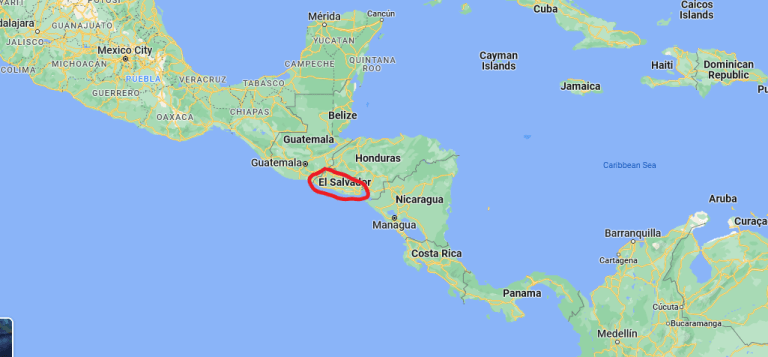
El Salvador is a small Central American country situated on the Pacific coast.
El Salvador is a small Central American country situated on the Pacific coast. It shares borders with Honduras and Guatemala, while its southern border is formed by the Pacific Ocean. The capital and largest city is San Salvador. The official language is Spanish, and the population was around 6.5 million as of my last update in September 2021.
El Salvador’s history is marked by indigenous cultures, Spanish colonization, and a turbulent struggle for independence and social justice. The country endured a brutal civil war from 1980 to 1992, profoundly shaping its society and politics.
The economy of El Salvador relies heavily on services and industry, with sectors like textiles, manufacturing, and telecommunications being prominent. The nation is also recognized for its agricultural exports, including coffee and sugar. Remittances from Salvadorans living abroad, particularly in the United States, constitute a vital source of income.
El Salvador boasts a diverse cultural heritage, influenced by indigenous, Spanish, and African elements. Traditional music, dance, and religious celebrations play a significant role. The country’s cuisine reflects this blend, featuring dishes like pupusas (stuffed corn tortillas) and yuca con chicharrón (cassava with fried pork).
Due to its location along the Pacific Ring of Fire, El Salvador is susceptible to natural disasters such as earthquakes, volcanic eruptions, and tropical storms.
In a notable development, El Salvador became the world’s first country to adopt Bitcoin as legal tender alongside the U.S. dollar in 2021. This move was intended to enhance financial inclusion and reduce remittance costs for its citizens.
Cost of living in El Salvador
If you are thinking about moving or spending extended time in El Salvador, the first thing to know is that it is generally quite affordable, especially compared to the US or Western Europe. Since the country uses the US Dollar as its official currency, you will not have to worry about constantly doing mental math conversions in your head.
Most expats and remote workers find they can live very comfortably on around $1,200 to $2,000 a month. Of course, this depends on your lifestyle choices and where you decide to drop anchor.
Housing will be your biggest variable by far. If you want a modern one-bedroom apartment in a safe, upscale neighborhood of San Salvador, such as San Benito or Escalón, you are looking at anywhere from $700 to $1,200 a month.
Coastal hotspot towns along Surf City, like El Tunco or El Zonte, have also seen prices climb due to high demand from surfers and nomads. However, if you head slightly outside the main city hubs or settle in charming interior towns, you can easily find great places for $400 to $600 a month.
When it comes to food, your wallet is going to love it here, as long as you stick mostly to local eating. You can grab three delicious, piping-hot pupusas for less than $3 total.
A full lunch plate at a local neighborhood comedor usually costs around $4 to $6. Grocery shopping at local markets for fresh fruits, vegetables, and staples is remarkably cheap, though buying imported snacks at high-end supermarkets will definitely bump up your bill.
Utilities and getting around will not break the bank either. Basic monthly utilities for a standard apartment usually average around $60 to $100, though running air conditioning in hot beach areas can drive that higher.
High-speed home internet and a solid mobile phone plan will run you about $40 to $60 total per month. Local buses cost pocket change ($0.35 to $0.50), and while Uber is readily available and affordable in major areas, renting or buying a car is worth considering if you want the freedom to explore freely.
Is El Salvador a good place to live?
The short answer is yes, but it really depends on what you are looking for in a lifestyle. Over the past few years, El Salvador has gone through a dramatic transformation, especially regarding public safety.
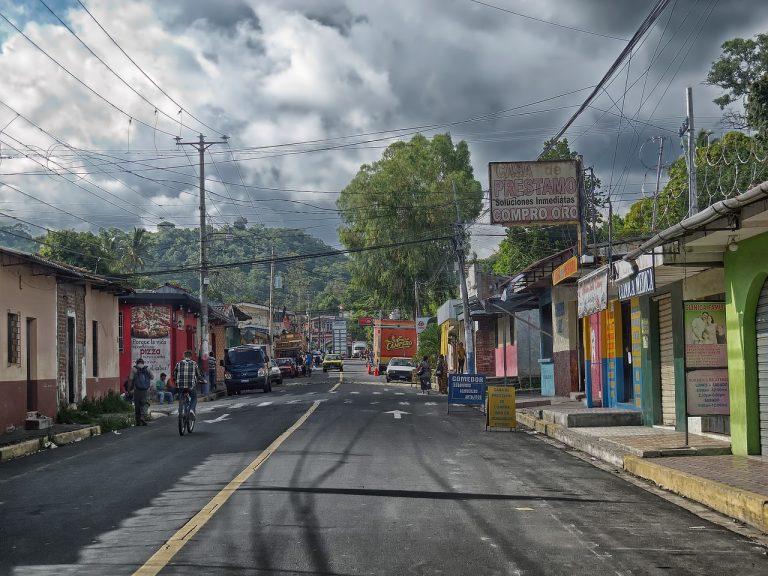
Areas that used to be off-limits are now lively neighborhoods where locals and expats walk around freely, even after dark. That significant shift in security has completely revitalized the day-to-day energy of the country, giving residents a genuine sense of peace that was not there a decade ago.
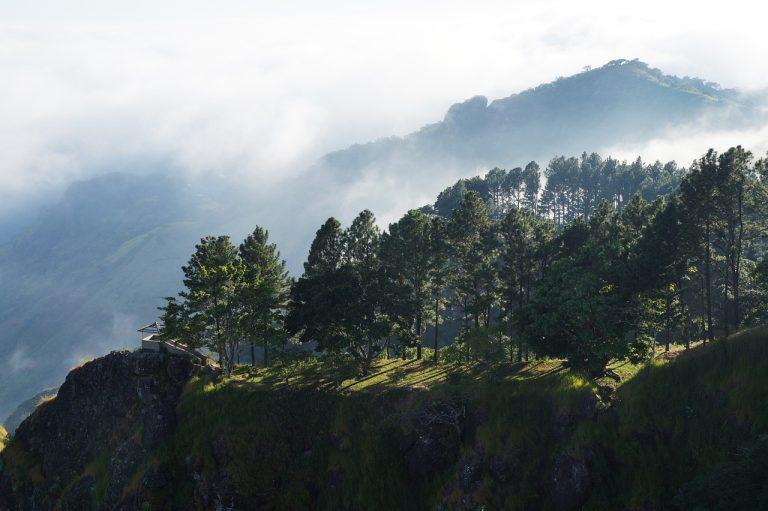
Beyond the safety upgrades, the lifestyle here is incredible if you love warm weather, world-class surfing, and vibrant landscapes. You can easily go from hiking a volcano in the morning to watching a golden Pacific sunset from an oceanfront cafe in the afternoon.
Salvadorans are remarkably welcoming, warm, and generous, which makes making local friends and settling in feel effortless. Plus, for digital nomads, the government’s push toward modernizing infrastructure and adopting Bitcoin has cultivated a unique, forward-looking local community.
That said, living here does come with real-world trade-offs you should keep in mind. Infrastructure outside the main modern corridors can still be spotty, meaning traffic in San Salvador can be heavy during rush hours, and public transit is not always the most comfortable way to travel.
While private healthcare in the capital is excellent and affordable, public facilities lag behind. There is also a stark economic divide, so while foreign earners can live very comfortably, local wages remain low, which impacts broader public services.
Ultimately, El Salvador is a fantastic place to live if you are an expat, remote worker, or retiree looking for an adventure-filled, warm, and budget-friendly Central American base. It offers an exciting mix of natural beauty, rapid modernization, and rich culture.
As long as you approach it with flexible expectations and an open mind toward living in a developing country undergoing rapid change, you will likely fall in love with the place.