Nurturing Relationships Outside the Western Norms

 ByStephen
SafetyWing
Western society preaches a very specific blueprint for family life: the nuclear setup.
You grow up, move out, work 40 years to pay off a mortgage, and raise a small family unit in a isolated suburban bubble.
There’s something to be said for this model, and it definitely contributes to keeping society running, by creating “good citizens”.
For many people like us, however, this individualist model feels hollow.
The pressure to be entirely self-sufficient often leads to burnout, social isolation, and an overwhelming lack of real community.
When you look beyond Western borders, you realize the nuclear family is actually the anomaly, not the standard. Exploring alternative relationship dynamics and non-Western kinship models can offer a far more resilient, fulfilling way to build your life.
In the West, family life is built around extreme individualism. While this offers autonomy, it strips away the traditional safety nets that humans relied on for millennia.
Unsurprisingly, many expats and global nomads find that leaving the West isn’t just about lower taxes or warmer weather; it’s about escaping this hyper-individualistic grind.
In many Asian, Latin American, and African cultures, the family unit operates on collectivism rather than individualism. Extended families—grandparents, aunts, uncles, and cousins—frequently live together or maintain tight-knit daily connections.
This setup fundamentally changes how daily life feels:
You don’t need direct blood ties to build a collective support network. Many people living outside conventional Western norms opt for alternative kinship structures:
Advantage | How It Beats the Western Standard |
Deeper Emotional Support | You have a full network of trusted people to turn to, reducing emotional reliance on a single partner. |
Shared Responsibilities | Cooking, cleaning, childcare, and errands are split, giving you more free time and flexibility. |
Mental Well-being | Constant social contact and daily integration practically eliminate the chronic loneliness epidemic common in the West. |
Financial Optimization | Resource-pooling lowers living overhead, allowing everyone involved to build wealth faster. |
Shifting away from standard Western norms isn’t without its friction:
Family doesn’t have to mean a white picket fence, a 30-year mortgage, and a two-parent household isolated from the world.
Whether you plug into traditional, close-knit local communities abroad, live in an extended family environment, or build an intentional network of chosen kin, step outside the Western mold.
True security comes from the strength and depth of your personal network, not from doing everything entirely alone.
 ByStephen
Moving abroad with your pet is absolutely achievable. It simply requires planning. Treat it like any other strategic relocation decision.
 ByStephen
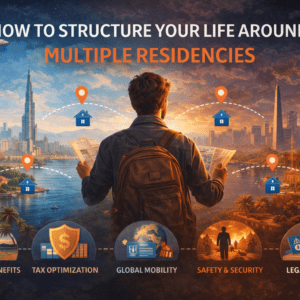
Entrepreneurs, consultants, investors, and remote workers increasingly structure their lives around multiple residencies as a strategy.
 ByStephen
Setting up several Flags regarding banking in other countries is of paramount importance for your long-term safety and freedom.
 ByStephen
International diversification is a defensive strategy. It is about reducing concentration risk.
 ByStephen
Moving to another country comes with many advantages, and getting laid abroad with beautiful women is definitely one of them.
 ByStephen
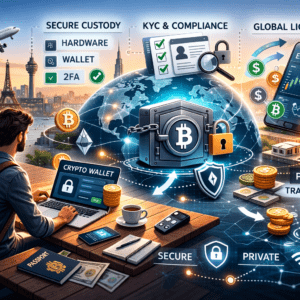
Using crypto safely while living abroad is not complicated. It becomes a powerful component of your international life.